
MITOCENTRIC DISEASE
AI ADOPTION

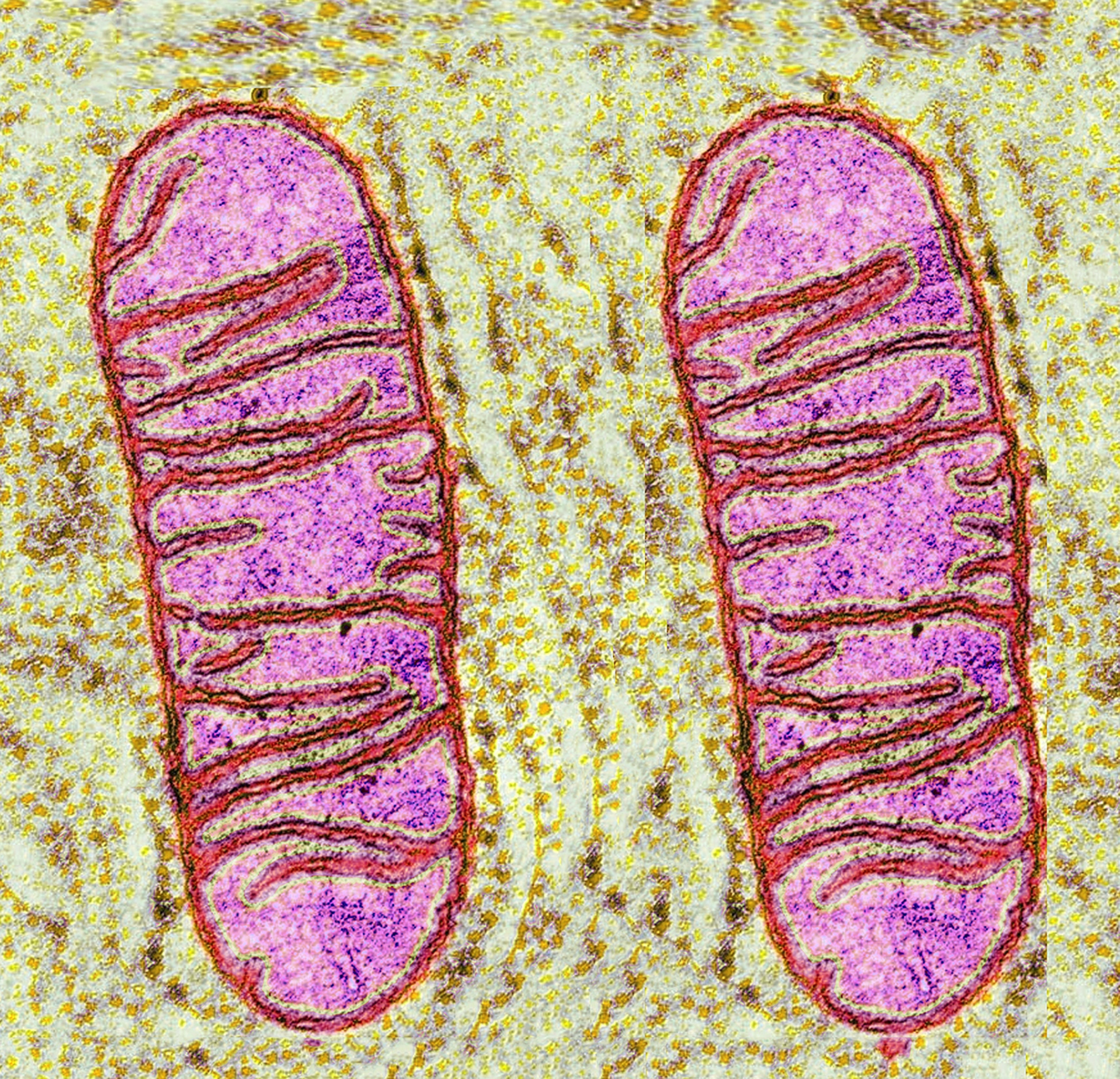
At lunchtime today (Saturday) I completed my last presenting engagement for 2025 and can finally get back to focusing on finishing my book. There were times when I wished that I had not agreed to so many speaking engagements, however, even when I think I am about to speak on a subject that I know well, I without fail learn something exciting as I prepare the material. Having a deadline and a responsibility to deliver good relevant material is the greatest stimulus to focused learning for me at least. This morning I was presenting Cancer in Animals, a very comfortable subject for me and yet once again, in looking to ensure that my understanding is up to date I landed on the seam of gold found within the sessions published on YouTube from the 9th Annual Conference of the Public Health Collaboration held earlier this year at the end of May and subsequent lectures by members of the same organisation.
Professor Thomas Seyfried gave a brilliant lecture on Cancer as a Mitochondrial Disease and others such as Dr Isabella Cooper and Dr Matthew Phillips followed. Their view, with substantial evidence to back it up, is that most chronic diseases such as cancer are mito-centric diseases and not gene-centric diseases as so much of medicine has based it’s understanding on. ‘It is hard to get cancer with your mitochondria healthy’ says Prof. Seyfried and this is the key. The homeopathic understanding of chronic disease being endogenous i.e. from within and coming from a disturbance of the ‘vital force’ or ‘dynamis’, directly relates to the mito-centric disease model, as it is the mitochondria that are responsible for the hidden energy production of every cell of the body of every living thing. Mitochondria are present in the egg at the point of fertilisation (mitochondria are present in the sperm but degenerate) and are responsible for the coordination of those cells as they form into the organism. As an aside it is incredible to imagine that mitochondria have been handed down through the female line since the beginning of the human race and potentially through every other organisms that came before that!
Back to cancer and chronic disease. First there is injury and then there is inflammation as an attempt to heal the injury. Put very simplistically, if the injury continues or is repeated (such as the daily intake of alcohol or seed oils or glyphosate for example), the inflammation will continue, which will cause damage to the mitochondria within the cells leading to loss of energy production and dysregulated coordination of all the processes within the cell, which then leads to chronic disease expression. It is important to recognise that it is not inflammation that causes cancer, as is often quoted. Inflammation is a hallmark of a lot of cancers, but that inflammation was only a healing response to repeated insult. It is equally as important to understand that the mitochondrial damage and depletion, in the mito-centric model of disease, that is driving many of the genetic changes that are recognised as hallmarks of cancer and not the other way round i.e. it is not the DNA mutations that started the disease process in many chronic diseases but the damage to the number and function of the mitochondria.
When I was seventeen years old and studying for my A Level biology exam, I was given a set of cell biology booklets, each one focused on a different cell organelle. The one I was obsessed with was the book on the mitochondria. I have since followed the numerous research papers and books published about mitochondria and this whole new understanding feels like a homecoming. The evidence is there and it is amassing. It will be a gamechanger for how we treat and manage chronic disease going forward and a lot of textbooks will need to be rewritten. We currently do not have the model for cancer (and other chronic diseases) right in the conventional medical world, albeit that certain areas such as the identification of the hallmarks of cancer have progressed significantly. The data on incidence and mortality rates for cancer clearly show that we still have it wrong.
The consultants and physicians involved in bringing this into the public domain are already treating their patients successfully based upon the mito-centric model, and guess what, so much of the treatment is centred upon individuals making lifestyle changes and stopping the ongoing injury to our bodies.
AI ADOPTION
Until recently the use of AI by vets and clients has been quietly bubbling away in the background but had not become standard practice. Suddenly the switch has been thrown to fully on and AI-powered assistance use is booming. AI is now offered to us to aid our experience with virtually every interaction as soon as we are logged onto a digital device.
